 Digestive health since 2008
Learn More About Fructans and GOS
Fructans
Learn More About Fructans
Fructo-oligosaccharides, also known as FOS or fructans, are short carbohydrate chains found in plant foods. Fructans contain linked fructose units and occur in foods such as onion, garlic and wheat. Their amount varies with the food, processing and serving size.
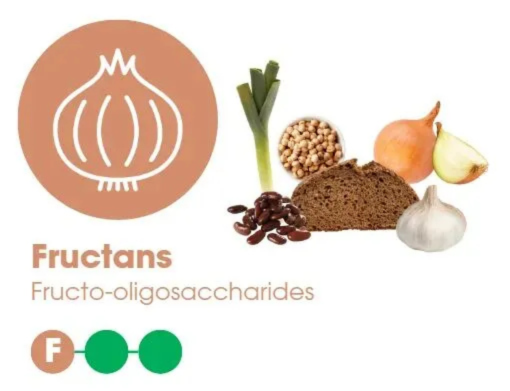
Where Are Fructans Found?
Fructans are fermented by gut bacteria rather than fully digested in the small intestine. Some act as prebiotics, providing a substrate for beneficial microbes. Examples of food sources follow:
Grains and grain products
Wheat, rye and barley products can contribute fructans. The amount in bread, pasta or cereal depends on the recipe, processing and portion. Fermentation during some bread-making methods can change the final FODMAP content..
Grains and grain products
- Breakfast cereals
- Bread
- Pasta
- Couscous (wheat)
- Gnocchi
Vegetables
Many vegetables contain fructans, although the amount can vary widely. Vegetables known to have a higher fructan content include:
- Leeks
- Onions
- Cabbage varieties such as white cabbage, Napa cabbage, and Brussels sprouts
- Garlic
- Artichokes
Legumes
Legumes such as lentils, cannellini beans, soybeans, chickpeas, and hummus are sources of fructans.
Other Plant-Based Sources
Some fruit and other plant foods also contribute fructans. Use current food testing and serving guidance rather than assuming that every variety or portion has the same content. Examples to review include:
- Grapefruit
- Dates
- Dried figs, pineapple, and mango
Processed Foods and Sweeteners
Packaged cereals, snack bars and other foods may contain naturally occurring fructans or added inulin and fructo-oligosaccharides. Check the ingredient list as well as the portion eaten.
Fructans in Fibre Supplements
Inulin is a fructan used in some fibre supplements and added-fibre foods. It may suit some people well but increase wind or bloating in others. Introduce fibre changes gradually and review tolerance.
How Are Fructans Digested
Fructans are oligosaccharides that the human body can only partially digest.
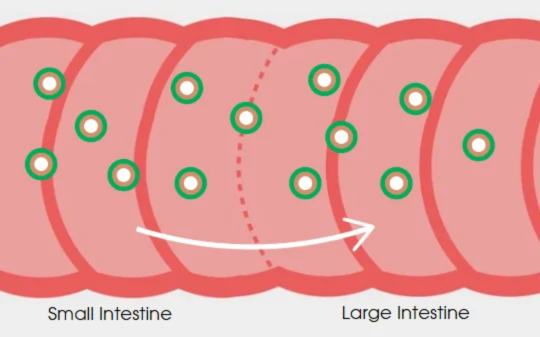
Human digestive enzymes do not fully break down fructans in the small intestine. They move on to the large bowel, where microbes ferment them. The response depends on the amount eaten and individual sensitivity.
Alpha-galactosidase is an enzyme used in certain supplements for particular oligosaccharides. Check the exact product and its stated substrates: activity against GOS should not automatically be taken as proof of activity against every fructan.
Fructans in the Small Intestine
As fructans travel through the small intestine, they are not digested in the same way as starch or sucrose. Their eventual fermentation in the large bowel is part of normal fibre metabolism.
Fermentation of Fructans in the Large Intestine
Bowel bacteria use fructans as a food source. Fermentation produces short-chain fatty acids and gases. This can be beneficial, although gas and distension may cause symptoms in a sensitive bowel.
Effects of the Fermentation Process
The fermentation of fructans has several effects:
- Short-Chain Fatty Acids (SCFAs):
Short-chain fatty acids are one outcome of fibre fermentation. Butyrate is an energy source for cells lining the colon; this is one reason to avoid unnecessarily excluding all fermentable fibre.
- Gases:
Gas production varies with the quantity and type of fermentable carbohydrate and the microbiome. Larger serves may be less comfortable for some people.
- Water Attraction:
Fermentation can also draw water into the intestines, which may lead to changes in bowel movements.
- Symptoms: Wind, bloating and cramping can reflect fermentation and bowel sensitivity. Symptoms alone do not identify a particular food component.
Fructans are classified as prebiotics, supplying food for certain intestinal microbes. A varied intake of tolerated plant foods can help maintain dietary diversity.
Dietary Tips for a Low-Fructan Diet
Avoiding fructans may be assessed during a structured FODMAP trial. The purpose is to identify tolerated foods and portions rather than permanently exclude whole categories of vegetables or grains.
Be mindful of fibre intake
Reducing onion, garlic or wheat can also change overall fibre intake. Review suitable alternatives with a dietitian so that the diet remains adequate. Different fibre supplements have different properties; the professional guide is available in the educational materials.
Vegetables
Onion, garlic and some other vegetables can contribute significant fructans. Alternatives depend on the recipe and portion. Options such as chives, the green part of spring onions or garlic-infused oil may help preserve flavour; check current serving guidance.
Grains
Rice, quinoa, oats, corn and buckwheat can provide alternatives in a FODMAP plan. Check the finished food as well as the grain, since added ingredients and serving size also matter.
Fruit
Fruit tolerance is portion-dependent and can involve more than one FODMAP group. Use current Monash app information when selecting a serve rather than treating a fruit list as an absolute ban.
Legumes
Most legumes are high in galactooligosaccharides (GOS), which are also fermentable oligosaccharides. Canning, draining, rinsing and portion size can affect the amount in legumes, so complete avoidance is not always necessary.
Tool: The Monash University FODMAP Diet App - Monash University’s FODMAP app provides tested food and serving information. Use it with a dietitian’s plan, particularly when several food groups have been reduced.