 Digestive health since 2008
Learn More About GOS
GOS
Learn More About GOS
Galacto-oligosaccharides (GOS) are short chains of sugar units found particularly in legumes. They are not fully digested by our small-intestinal enzymes and are instead fermented by bowel microbes. This can support the microbiome, but larger amounts may cause symptoms in a sensitive gut.
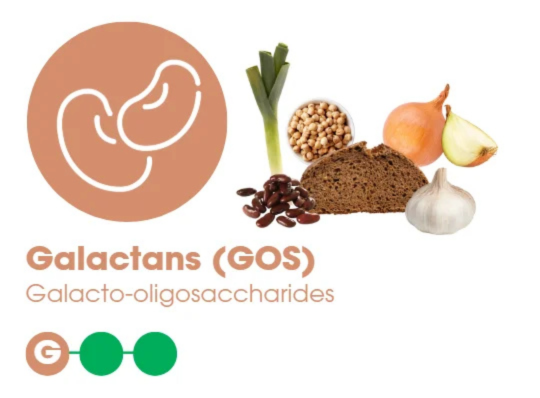
Where Are GOS Found?
GOS are found in various plant-based foods, primarily in legumes. Below are some of the main sources of GOS
Legumes
Beans, chickpeas, lentils and split peas are useful examples of GOS-containing foods. They also provide protein, fibre and other nutrients. Preparation and serving size affect how much GOS is consumed.
Soy
The GOS content of soya foods varies with processing. Whole-soya drinks, firm tofu and tempeh should not be treated as interchangeable; consult current portion guidance for the specific food.
Vegetables
Certain vegetables also contain relatively high levels of GOS, including beets, cassava, and onions.
Nuts
Some nuts, such as cashews, pistachios, and almonds, contain smaller amounts of GOS.
How Are GOS Digested
Galacto-oligosaccharides (GOS) are processed differently from carbohydrates such as starch. Like fructans, they provide a substrate for large-bowel fermentation rather than being fully broken down by human small-intestinal enzymes.
GOS reaching the large bowel are used by bacteria. Fermentation can generate gas and useful short-chain fatty acids. The amount eaten and individual bowel sensitivity influence whether this is comfortable.
Extensive research has been conducted on the digestive enzyme alpha-galactosidase and its effects on GOS. More information can be found in the educational resource “Scientific Background Enzymes” which you can request via the application form.
GOS in the Small Intestine
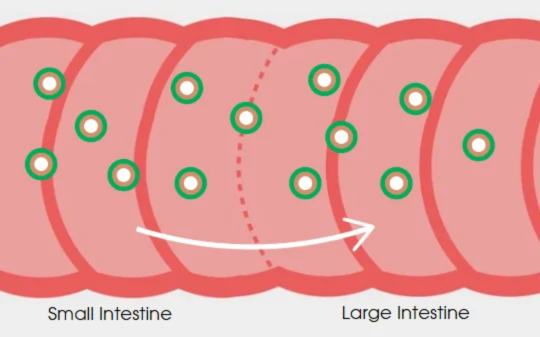
GOS resist digestion by the body’s usual small-intestinal enzymes. They continue through the digestive tract until microbes can use them.
Fermentation of GOS in the Large Intestine
During fermentation, bacteria convert these carbohydrates into several products, including short-chain fatty acids and gases. This is a normal part of the interaction between food and the microbiome.
Effects of the Fermentation Process
The fermentation of GOS has several effects:
- Short-Chain Fatty Acids (SCFAs):
Short-chain fatty acids produced during fermentation can be used by intestinal cells and other tissues. Avoiding all fermentable fibre is therefore not the aim of an individual tolerance plan. Butyrate, in particular, is important because it provides energy to the cells of the colon and helps maintain the integrity of the gut lining.
- Gases:
The amount of gas produced depends on the substrate, portion and microbiome. A smaller serve can feel different from a large bowl of the same food.
- Water Attraction:
Fermentation can also draw water into the intestines, which may lead to changes in bowel movements.
- Symptoms: Bloating, wind and cramps can occur in people with a sensitive bowel. These symptoms have several possible causes and do not establish a GOS intolerance on their own.
GOS are classified as prebiotics, providing food for selected gut microbes. A varied diet of tolerated plant foods remains useful even where a particular legume portion needs adjusting.
Dietary Tips for a Low-GOS Diet
A GOS trial is usually about finding suitable foods and portions, not removing every legume indefinitely. A dietitian can help separate GOS from other FODMAP groups. A useful practical reference is the Monash University FODMAP Diet App. This app shows whether a food contains FODMAPs, and if so, how much. It also offers recipes and scientifically supported information
Legumes
Legumes contribute fibre, plant protein, folate and minerals. If a usual serve causes symptoms, review the portion and preparation rather than immediately losing the entire food group. Canned, well-drained and rinsed options may be useful within an individual plan.
Avoid the Following Legumes on a Low-GOS Diet:
Beans
- White beans (such as cannellini beans)
- Kidney beans (red and white)
- Black beans
- Lima beans
- Adzuki beans
- Pinto beans
- Mung beans
Lentils
- Green lentils
- Brown lentils
- Red lentils
Chickpeas
- Both dried and canned chickpeas contain significant amounts of GOS.
Soybeans
- Dried soybeans
- Edamame (young green soybeans)
- Tofu and tempeh (often made from fermented soybeans, but may still contain GOS depending on how they are prepared)
Peas
-Green peas (dried or fresh)
-Split peas
-Yellow peas (small variety)
Legume-Based Substitutes
- Falafel (made from chickpeas or a blend of chickpeas and other legumes)
- Hummus (made from chickpeas)
- Soy-based products (such as soy milk, soy protein, soy flakes)
The enzyme alpha-galactosidase is used in some products to assist the breakdown of specific galacto-oligosaccharides. Check the Australian formulation, directions and suitability; it does not make every fermentable food symptom-free.