 100-day satisfaction guarantee*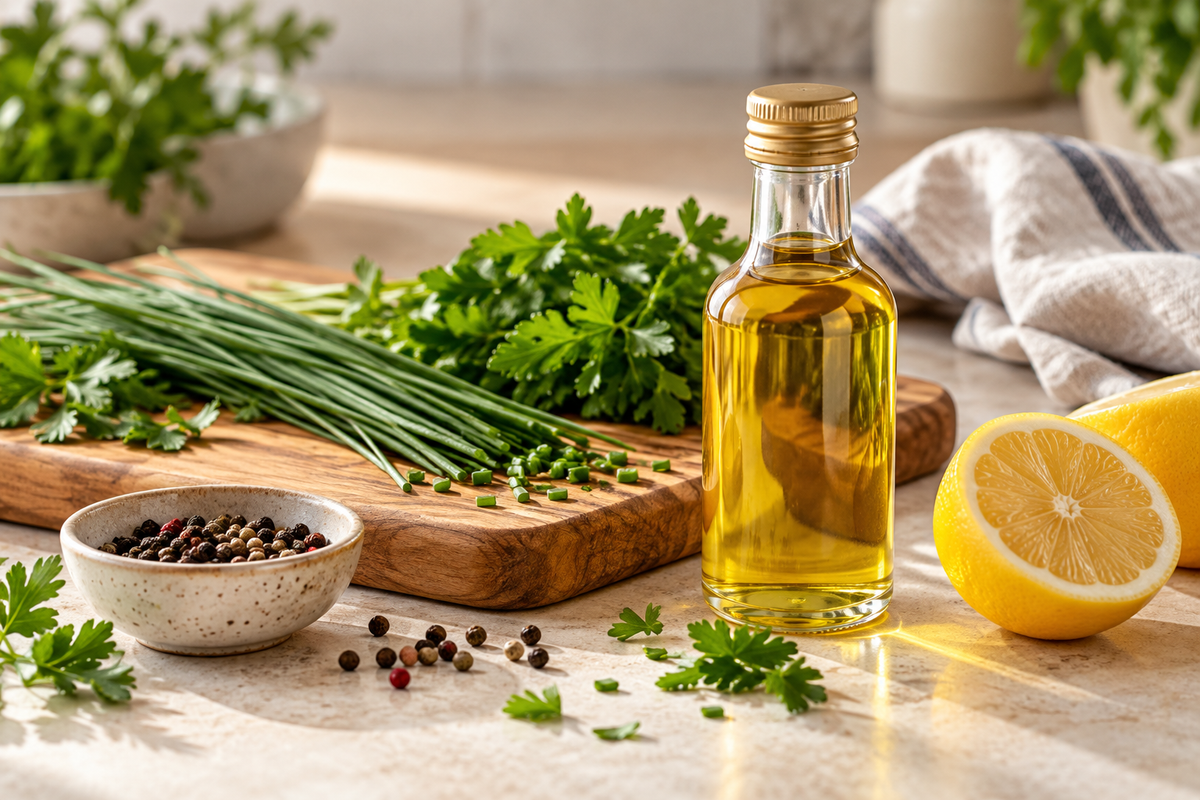
Onion and garlic often form the starting point of a meal. If you are limiting them as part of a personalised digestive plan, it helps to replace the jobs they do in cooking: aroma, savoury depth and a fresh finishing note. You can build those layers in several ways.
Start with the reason for the restriction
Onion and garlic contain fructans, a FODMAP carbohydrate group. Some people with IBS are sensitive to them, but that does not make these foods unsuitable for everyone. Fructan sensitivity is also different from food allergy. Our guide to fructose and fructans explains the terminology.
If you are investigating symptoms, work with your GP or an Accredited Practising Dietitian. A low-FODMAP approach is intended to lead towards a personalised diet, rather than an expanding list of permanent exclusions. Healthdirect explains how food intolerance is assessed.
Infused oil and stock are different
Fructans dissolve in water, but not in oil. That distinction matters in the kitchen: simmering onion or garlic in soup and removing the pieces afterwards does not remove the fructans that have entered the liquid.
A suitable garlic-infused oil can provide garlic aroma without adding garlic pieces. Choose a commercially prepared product with reliable low-FODMAP serving guidance; a certified product gives more certainty than the word “infused” alone. Check the full ingredient list and recommended portion. Garlic paste, garlic powder and a garlic-containing dressing are not interchangeable with a tested infused oil.
See Monash University's explanation of infused oils. Follow the bottle's storage instructions. If you have an onion or garlic allergy, do not assume infused oil is suitable: ask your allergy clinician.
Build three layers of flavour
- Aromatic base: use a suitable infused oil, or plain olive oil with a little fresh ginger where it fits the dish. Start modestly and taste as you cook.
- Fresh herbs: chives or the green tops of spring onion can provide an onion-like note in an appropriate serving. Add these towards the end so their flavour stays fresh. Parsley, basil and dill offer different options.
- A bright finish: a little lemon zest or juice can lift potatoes, vegetables and dressings. Adjust to preference; citrus is optional if it does not suit you.
Monash discusses chives and spring onion greens in its onion and garlic cooking guide. Check current tested portions if you are following a low-FODMAP phase; replacing one ingredient does not establish the FODMAP content of the whole meal.
Adapt the dish, not just the ingredient
For a creamy potato salad, try chives, parsley and lemon in a yoghurt dressing. For roasted vegetables, toss with oil and a herb you enjoy, then finish with a small amount of lemon juice. For soup, begin with vegetables and seasonings that fit your plan, and choose a suitable stock from the start.
Onion adds bulk as well as flavour, so leaving it out can change the yield and texture. In a sauce, adjust the liquid gradually rather than automatically replacing onion with the same weight of another vegetable.
A simple shopping check
Look at stocks, spice mixes, marinades, sauces and ready-made dressings as well as fresh ingredients. Choose a product that matches your own restrictions and any tested serving guidance. Our article on nutrition panels and FODMAPs explains why the sugars row alone cannot answer that question.
Try one practical swap
Make our lemon and chive potato salad with lactose-free yoghurt, or browse the recipe collection. Keep the rest of the meal familiar and note how a change works for you. If restrictions are multiplying or symptoms persist, a qualified healthcare professional can help you review the bigger picture.