 100-day satisfaction guarantee*
Ideas for everyday eating
Food intolerance at work: planning lunches, meetings and shift days
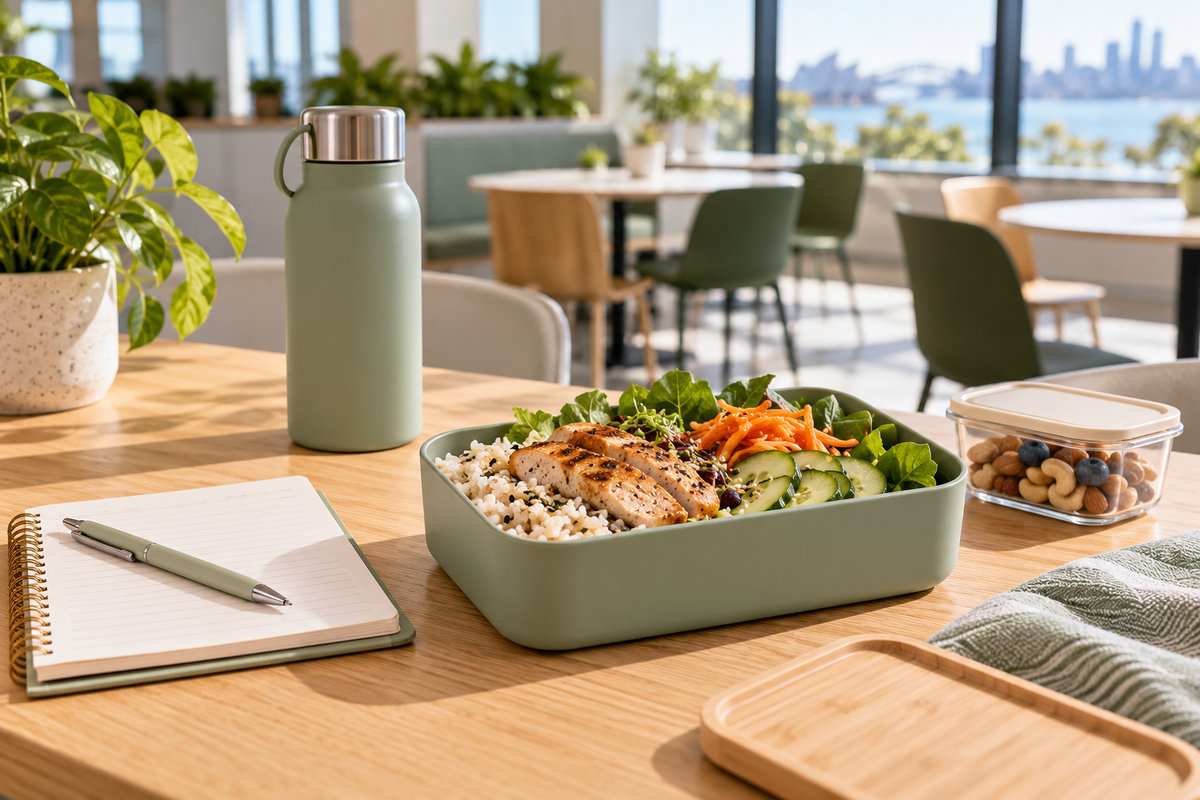
Workdays can make food-intolerance management feel less predictable: lunch may be delayed, a meeting may be catered, or a shift can run longer than expected. A simple plan can reduce last-minute guesswork without turning every meal into a project.
Start with your own known pattern
Food intolerance is individual. A food that suits one person may not suit another, and the amount eaten can matter. Keep your workplace plan anchored to foods and portions you already tolerate, rather than copying someone else’s restriction list.
If you are still working out your triggers, a short food and symptom diary can help you and a qualified health professional spot patterns without removing more foods than necessary.
Build lunch in three practical layers
- A dependable base: choose a familiar carbohydrate such as rice, potato, quinoa or suitable bread, according to your individual needs.
- A protein you recognise: pack a plainly seasoned option whose ingredients are easy to check, such as eggs, firm tofu, chicken, fish or another choice that suits you.
- Produce and flavour: add vegetables, fruit, herbs, dressings or sauces in amounts you already know work for you.
Batch-cooking components can make this easier. Keep sauces and garnishes separate so you can adjust a meal on the day, and chill packed food promptly in line with workplace food-safety arrangements.
Keep one backup option
A shelf-stable snack or simple meal component can be useful when a shift runs late or the catered option is unclear. Check the label each time you buy it because recipes and manufacturing statements can change. If you have a food allergy, follow your allergy action plan and use the stricter avoidance and cross-contact precautions advised by your healthcare team.
Ask useful questions before catered meetings
When possible, contact the organiser or venue early. Explain the specific ingredients or food groups you need to manage rather than using a broad label alone. Useful questions include:
- Can you provide the ingredient list or allergen information?
- Can sauces, dressings or marinades be served separately?
- Can a simply prepared meal be set aside before shared utensils are used?
- Who should I speak with on the day if the menu changes?
Our guide to questions that make ordering easier offers a fuller checklist for cafés, restaurants and workplace catering.
Plan for long or rotating shifts
Irregular breaks can change both meal timing and portion size. If you can, pack a main meal plus a smaller option so you are not relying on one very large meal at the end of a shift. A reusable water bottle and clearly labelled containers also help keep the plan straightforward.
Shift work can affect sleep and meal routines, so aim for consistency where your roster allows. If symptoms are persistent, severe or changing, speak with your GP or an Accredited Practising Dietitian rather than repeatedly narrowing your diet.
Keep low-FODMAP restrictions purposeful
A strict low-FODMAP phase is not intended to be permanent. Reintroduction and personalisation help identify which foods and amounts are suitable for you. Read our guide to what comes after the strict low-FODMAP phase, and seek dietitian guidance if you need help applying it around work.
A five-minute workplace checklist
- Pack a meal made from familiar ingredients and portions.
- Add one practical backup snack or meal component.
- Check labels and catered-menu details before the busy part of the day.
- Keep sauces separate when their ingredients are uncertain.
- Review patterns with a qualified professional if symptoms continue.
For simple meal inspiration, browse our recipe collection.